From a Sandy Bay kitchen table to a lifeline for thousands—the extraordinary story of Peggy Stranges!
The knocks began soon after Peggy Stranges settled into her modest Sandy Bay home. Mothers arrived carrying feverish children. Elderly neighbors sought relief from diabetes and high blood pressure. Desperate families came with little money and nowhere else to turn.
Peggy opened her door.
And she kept opening it.
Before long, her kitchen table had become an examination table, her home a makeshift clinic, and her dreams of a peaceful retirement a distant memory. Patients who couldn’t afford to pay sometimes arrived with a few ears of corn, a bunch of bananas, or whatever they could spare.
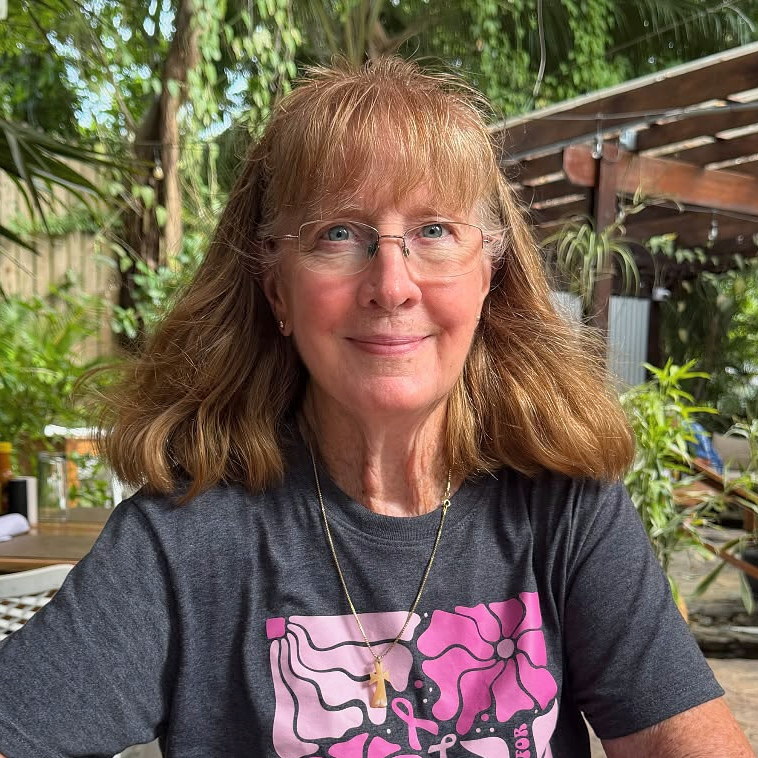
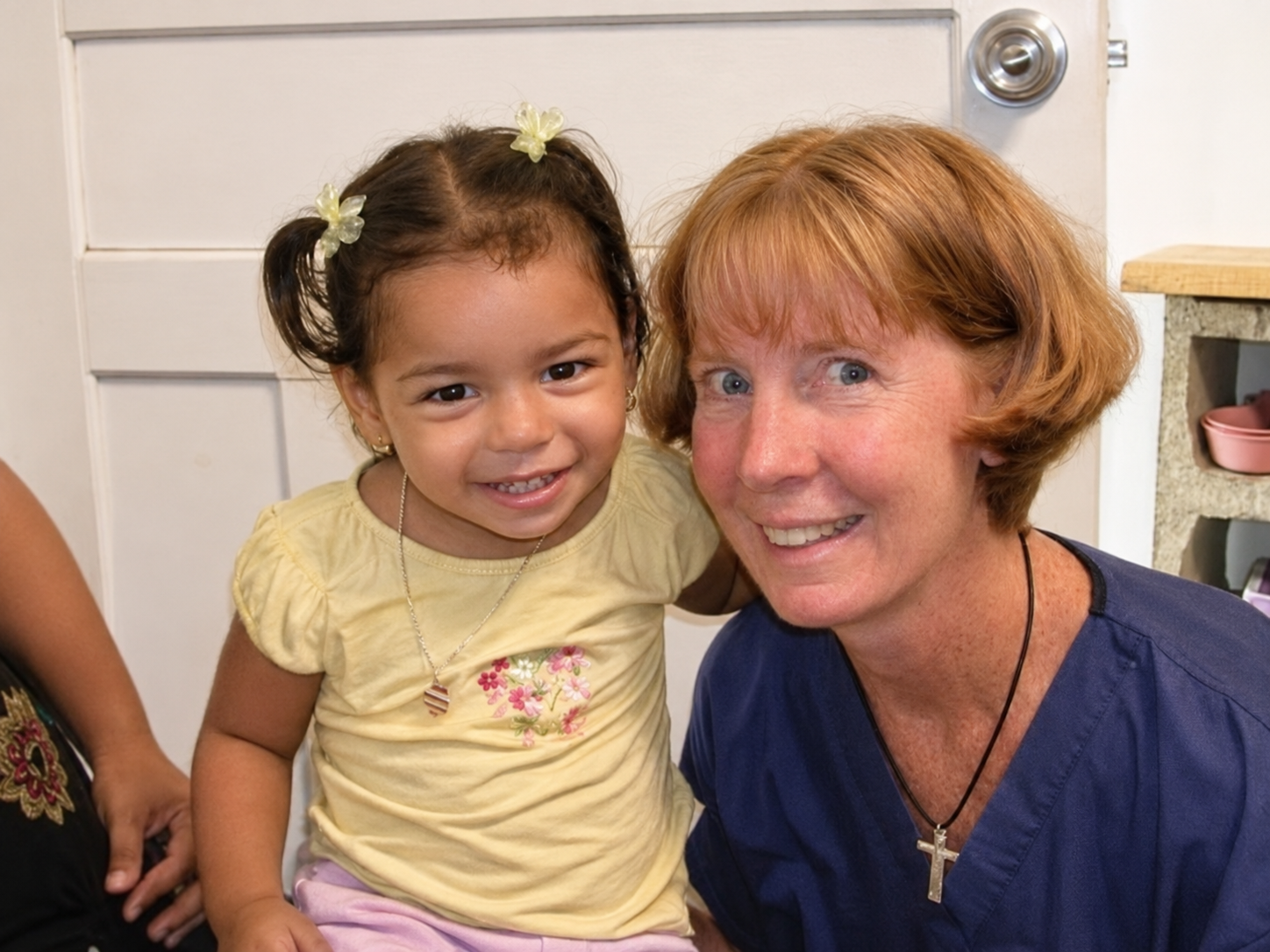
The red-haired American nurse had come to Roatan seeking God’s purpose for her life. She found it among the island’s sick, suffering, and forgotten.
Today, Bay Islanders affectionately call her “Miss Peggy,” the woman whose unwavering faith and determination helped transform her humble Sandy Bay home into Clinica Esperanza—the Clinic of Hope.
But her extraordinary journey began thousands of miles away, with a childhood accident that unexpectedly revealed her life’s calling.
A Calling Born in Ohio
Born June 6, 1946, Peggy was the second youngest of seven children in a Columbus, Ohio, family. Her calling to nursing came unexpectedly—and painfully.
One summer afternoon in a neighborhood swimming pool, a boy accidentally landed on her head, fracturing a bone in her neck. During her recovery, Peggy watched nurses comfort frightened patients, ease their pain, and offer reassurance when it was needed most.
Their compassion left an impression far deeper than her injury. Peggy knew she wanted to devote her life to helping others. At fifteen, she began working as a dental assistant to help finance her education. She later earned a nursing degree in 1982, never imagining that her profession would eventually carry her to a small island thousands of miles from home.
While working at The Ohio State University, Peggy discovered another dimension of nursing: bringing medical and dental care to impoverished communities in Honduras. Over the next fourteen years, she helped coordinate medical and dental missions to Roatan, Guanaja, and other Honduran communities with inadequate healthcare.
An Episcopal pastor in San Marcos, who once hosted her missions group, learned that Peggy and other members of her team were avid scuba divers. He suggested they visit Roatan, where some of the finest diving in the western Caribbean awaited. She loved the diving but quickly learned to love the people even more.
The Road to Roatan
The turning point came thousands of feet above the Caribbean on a flight home to Ohio. An unexpected upgrade to first class had separated Peggy from her traveling companions, leaving her alone with her thoughts—and a question the Episcopal pastor had planted in her mind:
“Why don’t you come back to Honduras and see what God has planned for you?”
“Why don’t you come back to Honduras and see what God has planned for you?”
At fifty-two, Peggy had earned the comforts of a successful life. She worked three jobs, drove a Mercedes, and enjoyed three vacations a year. Every luxury represented years of determination and hard work. Was she really prepared to exchange that security for an uncertain future on a remote Caribbean island? The question followed her all the way home.
Back in Ohio, Peggy continued corresponding with Susan, the wife of the Episcopal pastor she had met in Honduras. Eventually, Susan invited her to spend a month with her family exploring possible mission opportunities. After Peggy accepted, she considered serving as a housemother for young teachers at a bilingual school, but she knew that wasn’t her calling.
During another visit, Peggy and her Honduran foster son flew to Roatan to scuba dive and arrange accommodations for an Ohio dental team. By then, the possibility of making Roatan her home was becoming a difficult decision since she had two daughters who would eventually give her six grandchildren.
“I knew I planned to stay in Honduras because I bought a truck,” Peggy recalled. For a practical Ohio nurse, buying a truck was apparently as good as signing a lifetime commitment.
In 2001, Peggy moved into her Sandy Bay home near the Sunrise Dive Resort dock. She brought her nursing experience, a willingness to serve, and unshakable conviction that God had led her there. She could never have imagined that her kitchen table would become the birthplace of one of the Bay Islands’ most important healthcare institutions.
When Hope Outgrew the Kitchen
What began with approximately ten patients a day soon overwhelmed her kitchen. The sick kept coming. Money was scarce. Medicines were expensive, equipment was scarce, and the needs of the community far exceeded the resources of one determined nurse.
But Peggy possessed something no financial setback could diminish: her faith.
During one particularly difficult period, she prayed for guidance. Soon afterward, visiting medical missionaries offered surplus supplies. Healthcare professionals volunteered their services. Donations began arriving. What Peggy considered answers to prayer became the foundation of a growing medical institution.
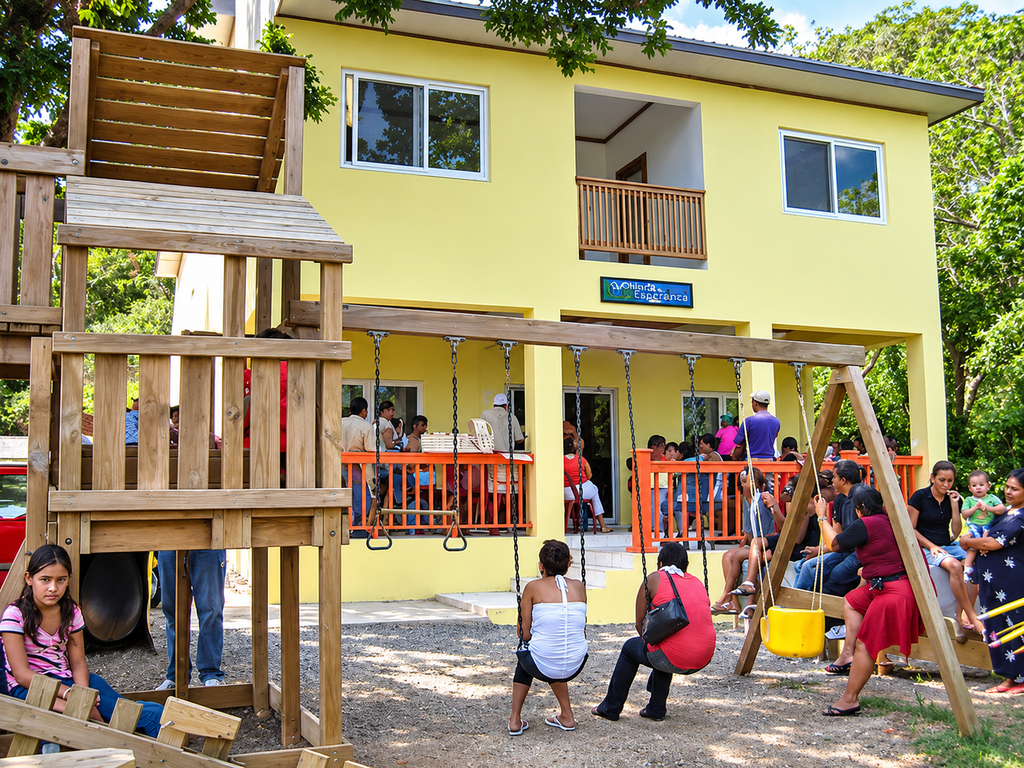
The clinic first expanded into an apartment beneath Peggy’s home. When even that space proved inadequate, she accepted four rooms at the Son Rise Calvary Church Hotel in Sandy Bay. Still, droves of patients kept coming, waiting on the veranda and in the yard to be treated.
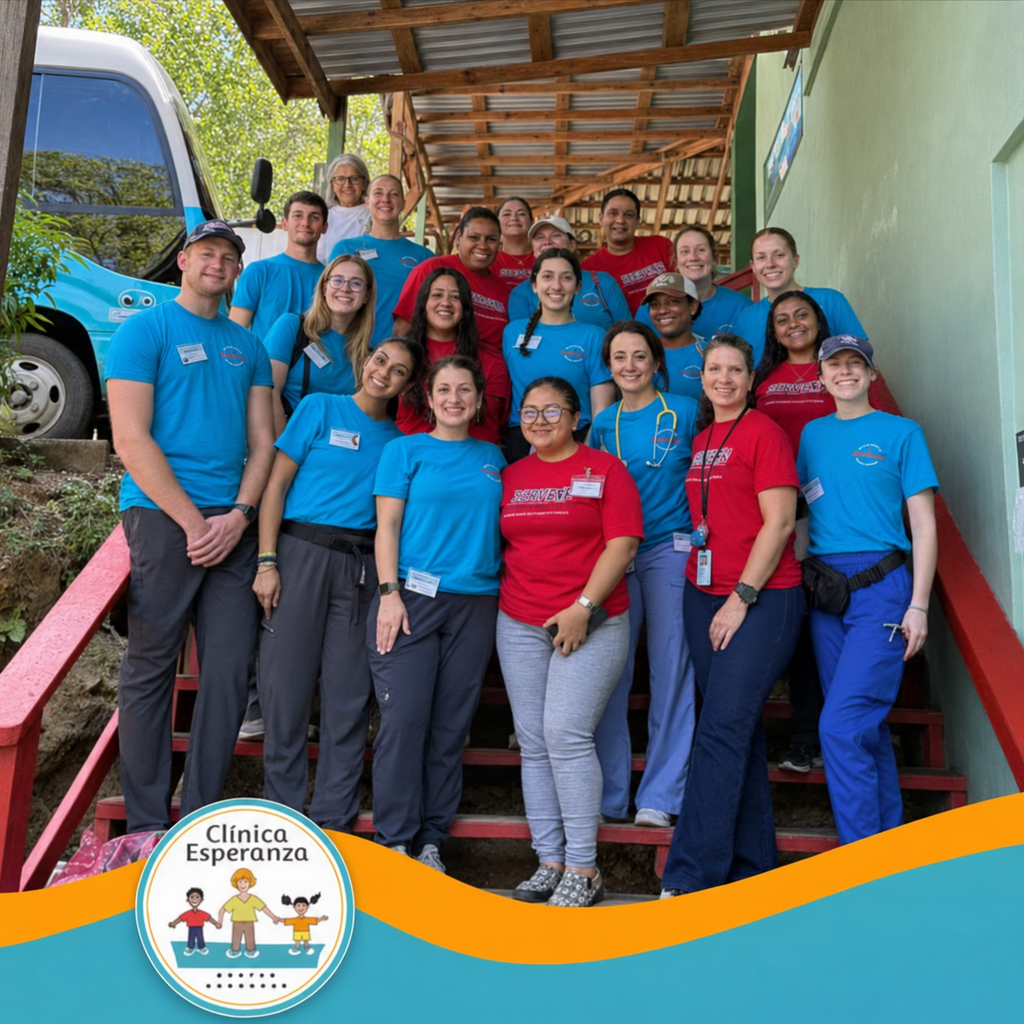
Eventually, donated land, financial contributions, fundraising efforts, and countless volunteer hours made a permanent facility possible. In 2007, Clinica Esperanza began operating in its dedicated outpatient facility. It became a primary healthcare provider for more than 5,000 island residents, treating between 60 to 100 patients daily, many of them children. Families traveled from Coxen Hole, French Harbour, Punta Gorda, and other remote island communities as well as mainland Honduras.
Yet statistics alone cannot measure the clinic’s impact. Its most compelling achievements are written in the lives of the people it has helped.
Today, Clinica Esperanza offers general medical, prenatal, and maternity care in addition to a birthing center, women’s health, dentistry, laboratory testing, diagnostic ultrasound, and a pharmacy that dispenses thousands of prescriptions weekly. The clinic’s outreach programs bring essential care, education, and compassion to vulnerable families who might go untreated.
Stories of Hope
For fourteen-year-old José, hope meant keeping his leg. Right before Christmas, his mother desperately reached out for that hope when she cried out to Miss Peggy,
“They’re going to cut off my son’s leg!”
Suspected of having bone cancer, Clinica Esperanza sent José to the mainland for an MRI. The surgeon discovered that the cancer was isolated in the fibula, so he removed that bone and saved the young boy’s leg. A brace was made in anticipation of foot drop, which always occurs without a fibula.
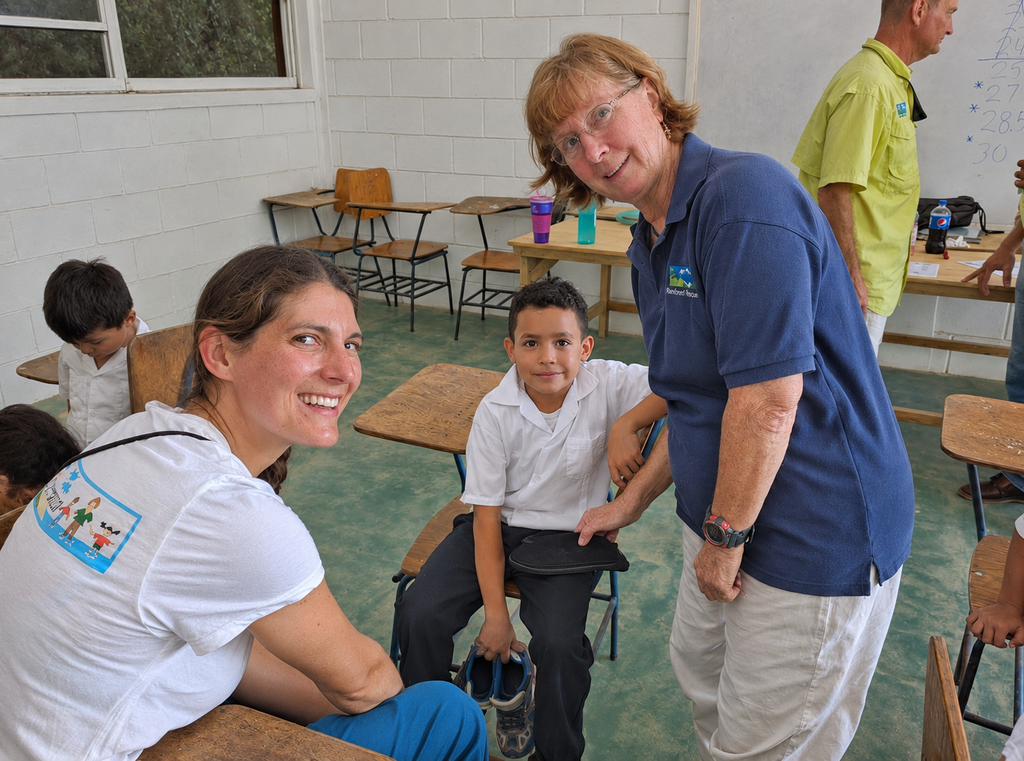
When José came to the clinic to be fitted for his brace, he was walking normally without the use of crutches. “My staff, José’s mother, and I were astounded as we witnessed the hand of God,” Peggy said.
For patients who have already lost limbs, Clinica Esperanza has begun constructing a prosthetics laboratory that will offer patients the chance to stand, walk, work, and become independent. The laboratory represents a remarkable expansion of services for people on the Bay Islands and along the northern coast of Honduras, where access to prosthetic care has long been limited.
Wendy was only two when she lost her hearing after contracting rheumatic fever. Her mother happened to meet a doctor working at Clinica Esperanza and asked whether anything could be done for her daughter. Working with the Pickle Foundation, he financed a cochlear implant. The little girl who had been unable to hear was given access to a world of sound. She later learned to play a musical instrument with the International School band.
Another four-year-old faced a severe heart defect that was inoperable in Honduras. Despite her illness, she cherished a simple childhood dream: visiting Disney World to meet Minnie Mouse, the doll she carried everywhere for comfort and hope.
“Maybe someday you can meet Mickey and Minnie Mouse,” Peggy told her.
Peggy shared the child’s dream with a friend whose niece worked with the Make-a-Wish Foundation. Through their efforts, they arranged a family trip to Florida. For one unforgettable week, the little girl, her mother, and her sibling enjoyed the magic of Disney World.
But the most touching moment came after they returned to Roatan. The child couldn’t wait to present Miss Peggy with a jacket decorated with Mickey and Minnie Mouse. Peggy embraced her, struggling to hold back her tears.
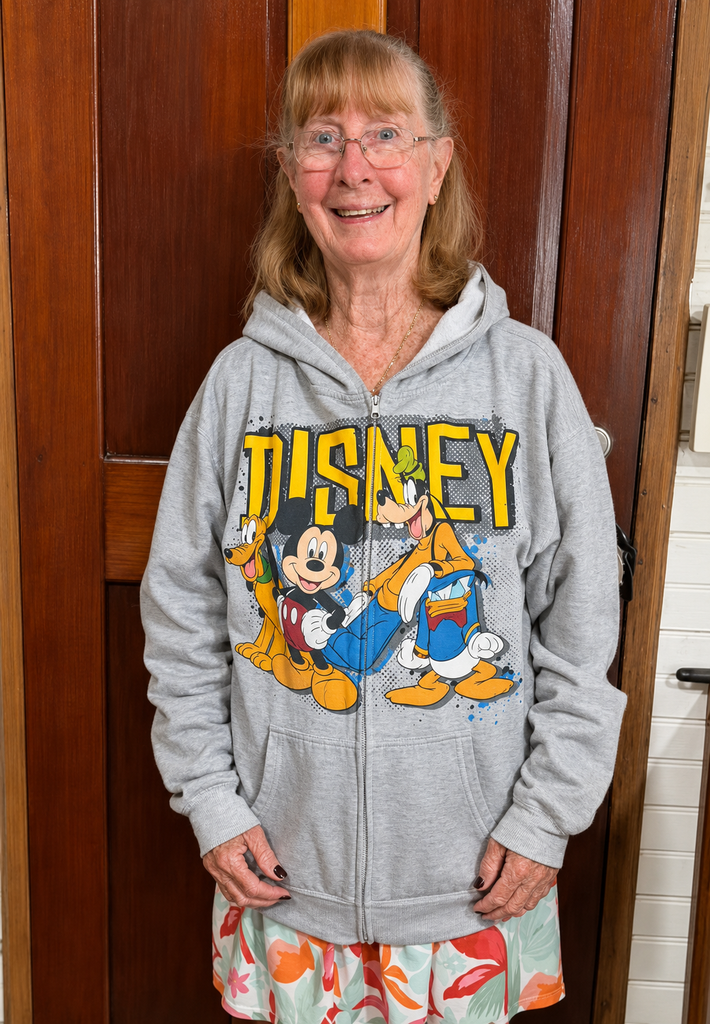
To this day, that jacket is one of Peggy’s most treasured possessions—a precious reminder that healing sometimes reaches beyond medicine.
Clinica Esperanza’s guiding philosophy remains simple: quality healthcare should not depend on a patient’s ability to pay. The small payment is not about money but about preserving patients’ dignity and ensuring that they value the service they receive. No patient has ever been denied treatment because of lack of ability to pay that slight sum.
The Neighborhood Needing Crucial Help
When Hurricane Mitch devastated mainland Honduras in 1998, thousands sought refuge and a fresh start on Roatan. Many settled in La Colonia, a rapidly growing Sandy Bay community where overcrowding, poverty, and inadequate infrastructure made access to healthcare especially difficult.
For Peggy, these were not statistics. They were mothers desperate for medicine, fathers struggling to feed their families, and grandparents forced to choose between buying food and seeking treatment. Clinica Esperanza offered them more than medical care. It offered the reassurance that they had not been forgotten.
As the needs multiplied, so did the sphere of people determined to help. Doctors, nurses, administrators, volunteers, donors, and local supporters joined forces to strengthen the growing institution. Among those who believed in Peggy’s vision were Honduran physician Dr. Raymond Cherington, Mission Roatan, international medical organizations, and generous individuals from around the world.
What began with one woman opening her door had become a mission embraced by people from many nations and walks of life.
When Disaster Struck, Hope Remained
On April 19, 2024, fire engulfed Roatan’s public hospital, plunging an already strained healthcare system into crisis.
Almost overnight, Clinica Esperanza became an even more critical lifeline. A clinic accustomed to treating approximately 100 patients daily reportedly found itself caring for 200 to 300 patients. Despite staggering increase, Peggy and her dedicated staff continued serving those who had nowhere else to turn.
The disaster revealed what islanders had known for years: Clinica Esperanza was no longer simply a charitable clinic. It had become an indispensable part of Roatan’s healthcare system.
Its continued growth tells the story. In September 2026 alone, physicians at Clinica Esperanza treated 2,158 patients, while its pharmacy filled an astonishing 6,615 prescriptions. Behind those numbers were children receiving treatment, mothers obtaining prenatal care, elderly patients managing chronic illnesses, and families finding help they could not afford elsewhere.
The clinic’s influence also extends into education. Scholarship recipients who pursued studies in medicine, nursing, dentistry, and laboratory technology have returned to volunteer, gaining valuable experience while serving people in need.
Perhaps equally important, Peggy’s vision has empowered Honduran healthcare professionals to serve their own communities, ensuring that the clinic’s mission will endure far beyond its founder.
Many have written to thank Miss Peggy for an opportunity that changed not only their professional ambitions but also their understanding of compassion and service. In helping others, they discovered how much they themselves had received.
A Legacy of Faith
Peggy Stranges arrived on Roatan without a blueprint for a hospital, a wealthy foundation, or grand ambitions to transform the island’s healthcare system. She brought her nursing skills, an unwavering faith, and a willingness to help whoever knocked on her door.
With the support of dedicated physicians, nurses, volunteers, donors, and an entire community, her humble kitchen-table ministry blossomed into a medical institution bringing healing and hope to thousands throughout the Bay Islands and mainland Honduras.
Through decades of challenges and remarkable growth, Peggy’s guiding mission has never wavered: to demonstrate God’s love through service to others.
“I am so grateful for what God has done in my life, and I will serve Him until the day I die,” she said.
Perhaps the most beautiful measure of her legacy lies not in medical records or impressive statistics, but in the generations of island families whose lives have been touched by her compassion.
Children who once arrived at her kitchen table in their mothers’ arms are now bringing their own children to the Clinic of Hope. The little clinic has grown. The children have grown. And the circle of compassion continues to widen.
She found it by answering a knock at her door.
One woman. One open door. Thousands of lives transformed.
That is the miracle of Esperanza.
Join in the Mission
The miracle of Clinica Esperanza continues through the generosity of people who believe that no one should be denied medical care simply because they cannot afford it.
One of Roatan’s most beloved charitable traditions is the annual Music Festival for the Angels, the brainchild of longtime resident Helen Murphy. Since its beginnings in 2005, the festival has brought together musicians, island residents, and visitors for a celebration of music, food, and fellowship while raising vital funds for Clinica Esperanza and the SOL International Foundation, which serves children in Sandy Bay.
Every donation, large or small, helps provide medicine, diagnostic testing, medical treatment, and other essential services to vulnerable families throughout the Bay Islands and mainland Honduras.
To donate or learn more:
https://clinicaeseperanza.org/donate
Email: info@clinicaeseperanza.org.
U.S. donors may be eligible for tax deductions through Clinica Esperanza Roatan, Inc., a U.S.-registered 501(c)(3) nonprofit organization.
Canadians may donate through the Great Commission Foundation:
https://thegc.org/ca/projects/clinica-esperanza
Discover more from Bay Islands Magazine - BIM
Subscribe to get the latest posts sent to your email.