

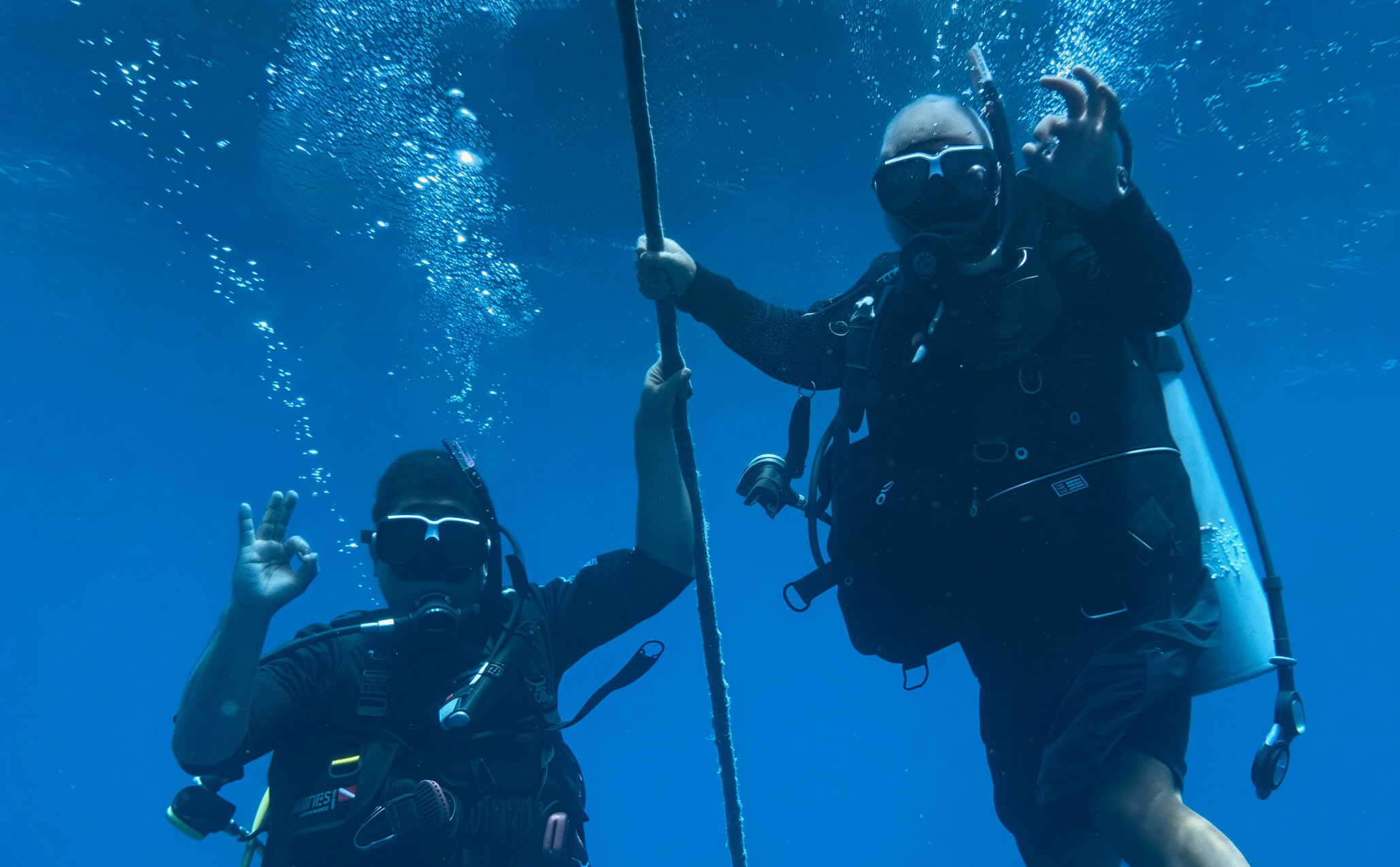
Long before Roatan became a world-class dive destination, two young islanders were slipping beneath its waves with little more than a mask, fins, and a speargun. Tino and Alejo Monterroso—descendants of a 19th-century Guatemalan general and pioneers of modern diving in the Bay Islands—would go on to chart new reefs, name iconic sites, and fight to protect the fragile coral kingdoms that defined their lives.
The Monterroso family’s remarkable legacy traces back to the 1800s, when General Antonio Monterroso—a distinguished officer in the Guatemalan army—was stationed in Utila. Decades later, his son, Antonio, president of the Liberal Party, faced political turmoil and was forced to seek refuge in Guatemala with his family. Amid these transitions, Antonio’s son, Constantino, and his wife, Esperanza, embarked on their own journey, raising Tino, Alejo, Elena, and Ricky. Tino and Alejo mastered free diving and spearfishing, cultivating a deep reverence for coral reefs, ocean currents, and the vibrant life beneath the waves. After their brother Ricky’s untimely death at age 22, the Monterroso brothers forged ahead, pioneering the Bay Islands’ scuba diving industry and becoming fearless guardians of their marine environment.
In the 1960s, Roatan was a hidden gem, home to fewer than 100 expatriates and seeing just a handful of foreign yachts each year. Tino recalled how divers rented simple beachfront bungalows from Paul and Serena Ebanks for just 20 lempiras a night, close to Jim Lockwood’s rustic West End Dive Shop. With West End’s roads still wild and unpaved, Ebanks would ferry guests by dory across shimmering waters to Sandy Bay, where Paul Adams was transforming Anthony’s Key Resort into Roatan’s first scuba diving haven.
In 1974, Tino teamed up with Lorenzo Dee Belveal, —a former U.S. Navy diver and the visionary behind Spyglass Hill Resort—and local diver Ben Castro. Two years later, when the Russian cruise ship Odessa lost its massive 15,000-pound anchor off Palmetto Point, Tino bravely joined the recovery squad, despite limited experience. To their shock, the anchor lay at a perilous depth of 325 feet, not the reported 80. As Tino surfaced with dilated pupils, Dr. Dee—known on the island as “Doc Dee”—called in Boston physician Dr. Charles Duston for a full examination. The diagnosis sidelined Tino from the dangerous dive, leaving Dr. Dee and Castro to tackle the daunting task. Against the odds, they finally retrieved the anchor and earned their reward from the Russian clients. Dr. Dee later wrote, “Tino was 24, built like a rock, didn’t smoke, didn’t drink, didn’t pop pills or keep late hours. But he damned near bought the farm!”
With the profits earned from Spyglass Hill, Tino constructed four rustic huts on a sprawling 10-acre cay near Los Fuertes, creating a haven where he would guide tourists through sparkling turquoise waters on snorkeling adventures and treat them to homemade lunches. When Anthony’s Key Resort was hit by a staffing crisis, manager Marco Galindo called on Tino for a temporary three-day fix that extended into three-years. In 1975, recognizing the need to nurture a new generation of divers, the Honduran government invested $5,000 so Tino, Herbie Jackson, and Sammy Wesley could earn prestigious YMCA PADI certifications, laying a solid foundation for aspiring dive professionals across the Bay Islands.
Tino’s personal life evolved marked by his marriage to Mary Monterosso and the birth of his sons, Tristen and Loren, at the Reef House in Oak Ridge where the same Boston doctor who examined him at Spyglass Hill, accepted hammocks in exchange for delivery fees. “One of the Reef House owners was Stephen Ambrose,” Tino shared. “He wrote D-Day, June 6, 1944, which inspired the movie Saving Private Ryan. I frequently observed the author writing in his notebook on the resort deck.” Years later, Tino married Fady Sosa and welcomed his daughter Gina, who became a prominent attorney.
Recognizing the urgent need to protect Roatan’s coral reefs and marine environment, Tino founded the Roatan Marine Park in the mid-1980s with the help of Julio Galindo and Julio Cruz. In 2019 the Honduran government formally honored Tino for establishing the Bay Islands’ first marine reserve. After Tino and Alejo established Roatan Divers in Half Moon Bay, West End, Hurricane Mitch destroyed the building, so the tenacious duo rebuilt it. “We used our shop to teach spearfishermen how to protect the reef. Now, spearfishing is banned except for hunting invasive lionfish. After Hurricane Ivan hit Grand Cayman in 2002, I worked for a construction company, and after they relocated to Utila, I remained with them for seven years,” Tino explained.
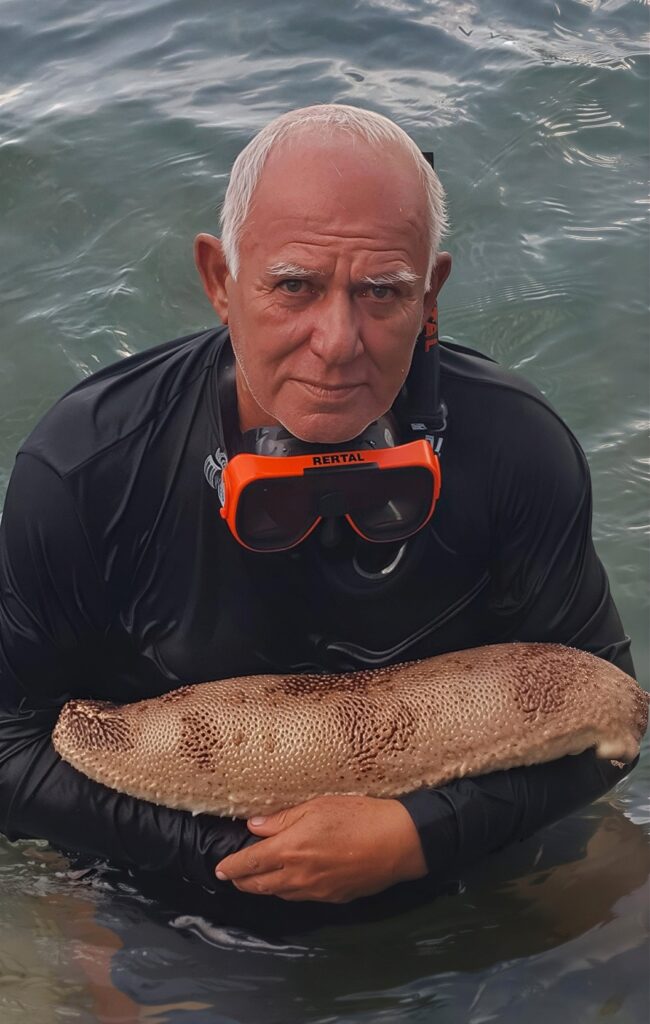
Alejo also married and produced children, who have moved away from Roatan. He launched South Shore Divers in Coxen Hole beside Key View Hotel during the 1980s, sparking Roatan’s modern diving scene. “Soldiers from Palmerola Air Base in Comayagua, staying at Key View Hotel, hired me for diving excursions,” Alejo recalled. “For a decade, renowned underwater photographers—like Rick Frazee from Skin Diver Magazine and David Duvet from National Geographic—hired me to uncover Roatan’s most dazzling underwater vistas. I even worked with Stan Waterman, who is honored in the International Scuba Diving Hall of Fame.”
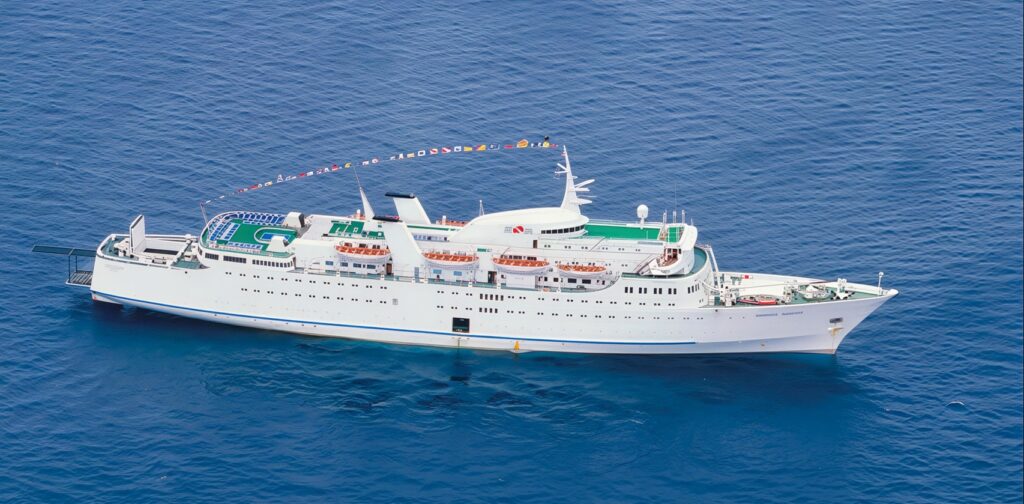
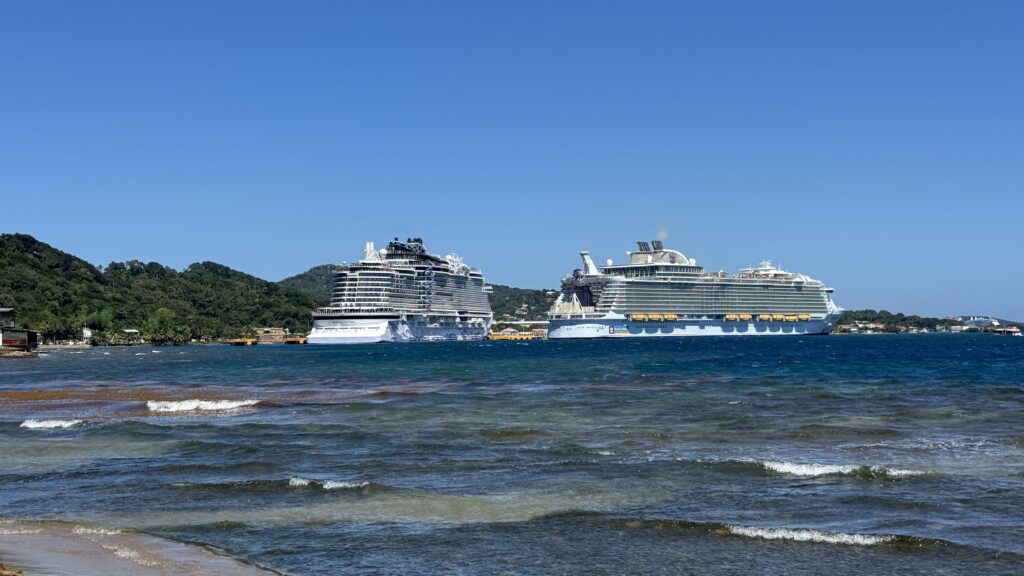
Alejo recounted his significant contribution to the history of diving in the Bay Islands: “In 1989, Allan Hyde, port agent for the 500-foot Ocean Spirit—the first major cruise ship to visit the island—asked me to select the perfect spot in Coxen Hole for the vessel’s docking. This site ultimately became the Port of Roatan.” The Ocean Spirit, a floating city for divers with 10 decks, 10 dive boats, and its own decompression chamber, sailed from New Orleans to Guanaja, Roatan, and Belize. I was also tasked with scouting 50 dive sites to accommodate divers.
In 1995, the ship’s owners produced a low-budget film, Dive Masters, shooting scenes both aboard the Ocean Spirit and at Fantasy Island Resort. The plot unfolds around the daring theft of Mayan relics in Copán during Raphael Callejas’s Presidential inauguration. As the artifacts lay unguarded, thieves struck, so dive masters had to retrieve the Honduran stolen treasures. Alejo explained that the star of the movie was Jeff Weston, who had made a movie, American Ninja, had been cast again as a ninja. “After the original co-star, who played the villain, walked off set, the director cast me in his role and named the character Alejandro. When they couldn’t find anyone to play my wife, they hired Tino to deliver the crucial lines.”
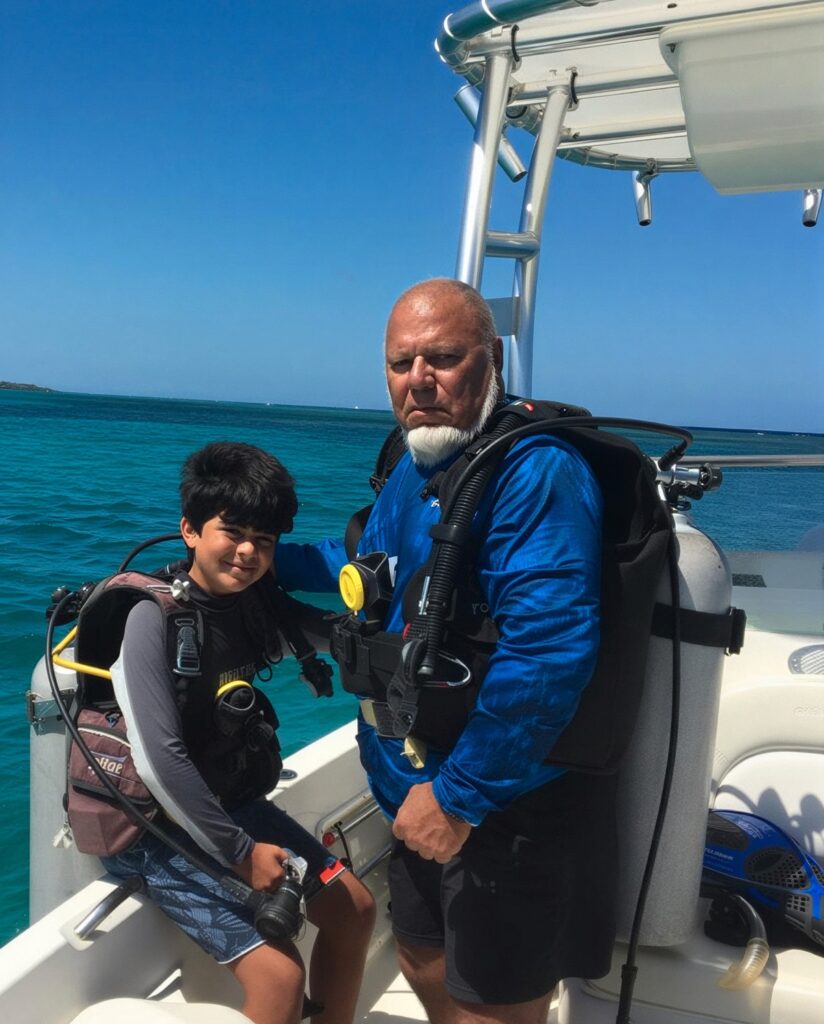
Around 2000, Tino joined Las Palmas dive shop and, along with his cousin Sergio, launched Cara Cara (Face to Face) Roatan Shark Dive, where up to 10 divers could safely encounter black-tipped Caribbean reef sharks. With his son, Loren, and Alvaro Sanchez, Tino also founded the Bay Islands Underwater Museum in Morá Channel, Sandy Bay, which featured coral gardens, Paya artifacts, a Spanish galleon shipwreck, and a treasure chest of relics. Though currently closed, Tino welcomes investors to revive this historical attraction.
As the seasoned dive masters explored uncharted underwater realms, they named some of their favorite sites—names that are forged forever onto the map of world-famous dive destinations. Tino named “Mary’s Place” near Brick Bay for his ex-wife, a surreal underwater gorge split by sheer fissures plunging from 40 to 125 feet, where sunlight slices through the depths to reveal towering coral, sweeping spadefish, massive groupers, and clouds of sardines. In Guanaja, Tino christened “Vertigo”—a mesmerizing wall immortalized on the cover of Skin Diver Magazine—where he and Alejo released brittle starfish, now carpeting the reef in their thousands. At “The Devil’s Cauldron,” groupers gather each winter to spawn along a wild, mile-long coral ridge, racing jacks patrolling the current-swept edge. Alejo brought color to the map with “Nudibranch Alley,” teeming with radiant shell-less snails, and “The Enchanted Forest,” a magical coral realm by the airport where divers enjoyed thrilling Cara Cara shark encounters.
Tino and Alejo both crowned West Bay Wall as their ultimate dive site—a dazzling underwater theater where clouds of parrotfish, vibrant angelfish, electric-blue tangs, and graceful rays glide among the shadows. Nurse sharks weave silently along the sandy bottom, while Hawksbill turtles drift through shafts of sunlight that dance across the reef. Every descent into West Bay Wall feels like entering a living kaleidoscope, where each crevice and coral head reveals a new spectacle of color and motion.
Equally captivating in their hearts is Half Moon Bay Wall. Here, colossal groupers navigate through dense forests of jet-black coral, their hulking forms moving with effortless grace. Ribbons of Creole wrasse swirl in shimmering, ever-shifting currents, painting the water with streaks of blue and purple. All around, sponges and soft corals ignite the reef in a riot of carnival hues—fiery reds, blazing oranges, and luminous yellows—transforming the depths into a vibrant celebration of life. These underwater sanctuaries, alive with energy and color, stand as living testaments to the brothers’ passion for the ocean’s wild beauty.
After more than half a century navigating the depths, Tino and Alejo move more gently through the tides, yet they still offer private journeys into the world below. Their legacy is counted in the dive sites named, the souls awakened, and the stories cherished like precious pearls. These legendary guardians of the deep did more than guide adventurers through crystalline waters—they shaped the very spirit of the island, igniting generations to cherish forever, be changed by the breathtaking mosaic that is the Bay Islands.
Alejandro “Alejo” Monterroso offers to unveil underwater photo-shoot locations, personalized snorkeling tours, and skin-diving and snorkeling instruction. His base is at Stanley’s Submarines in Half Moon Bay, West End.
If you are interested, you can contact him for pricing and the concepts here:
Phone and WhatsApp: +504 9744-1037
Email: curiosidadesmaritimas@gmail.com
Tino Monterroso offers private tours on Roatan and The Bay Islands’ reef.
You can contact him on WhatsApp: 504-9811- 4024
The author of the article:
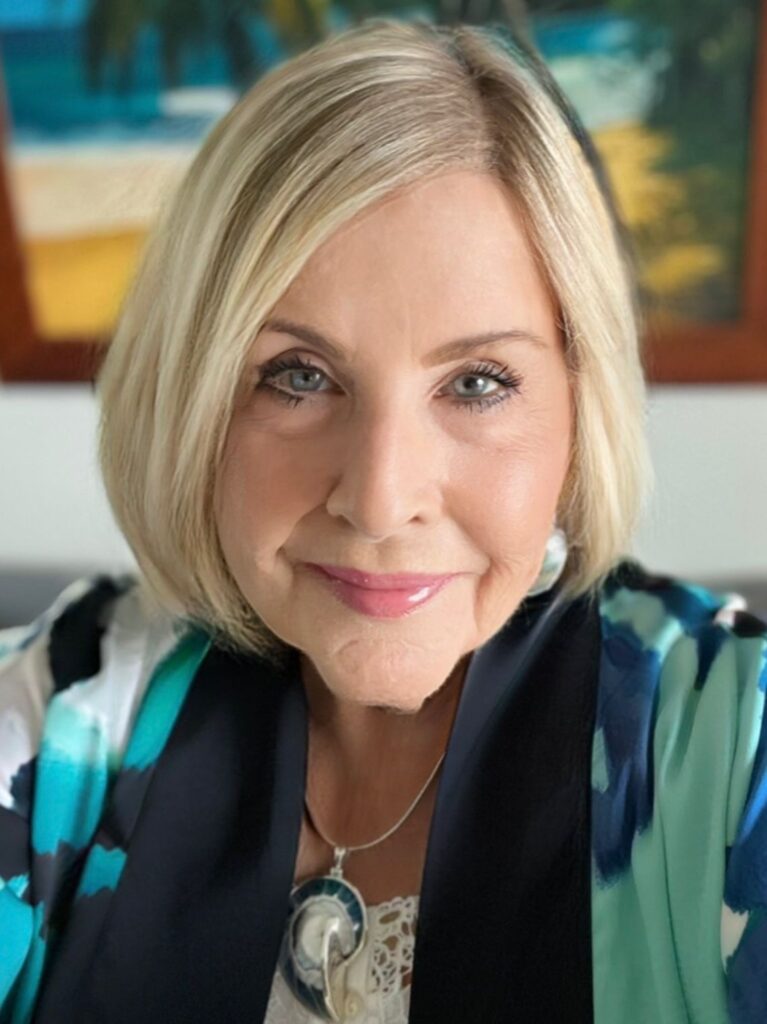
Edwina Doyle Willis is a former high school and college instructor, speechwriter and public relations liaison for the Kentucky Department of Education, Fulbright Scholar to India, and author of eight books and numerous magazine articles.
Here is the link to her latest book, Roatan Remembered:
Amazon
BookBaby