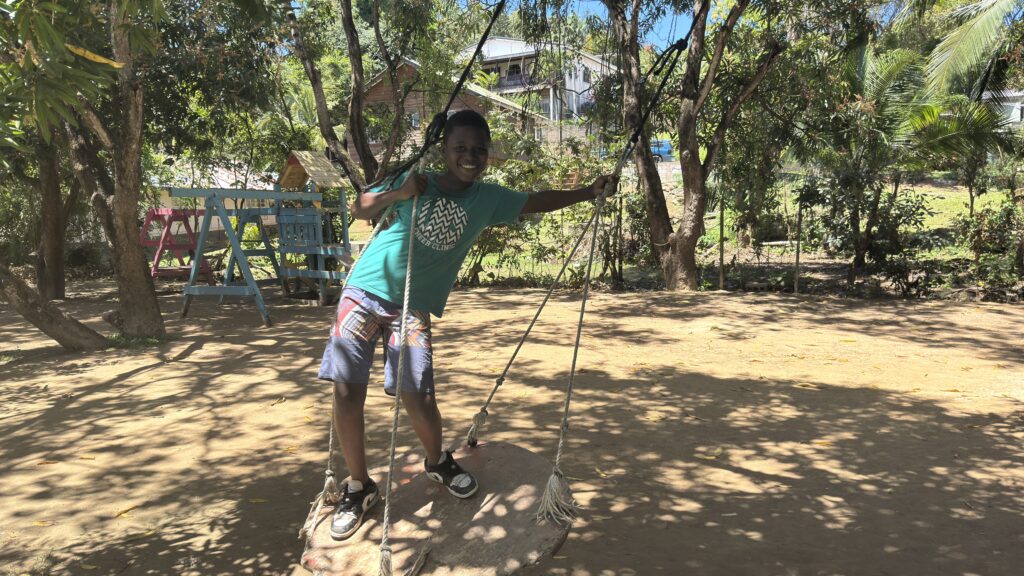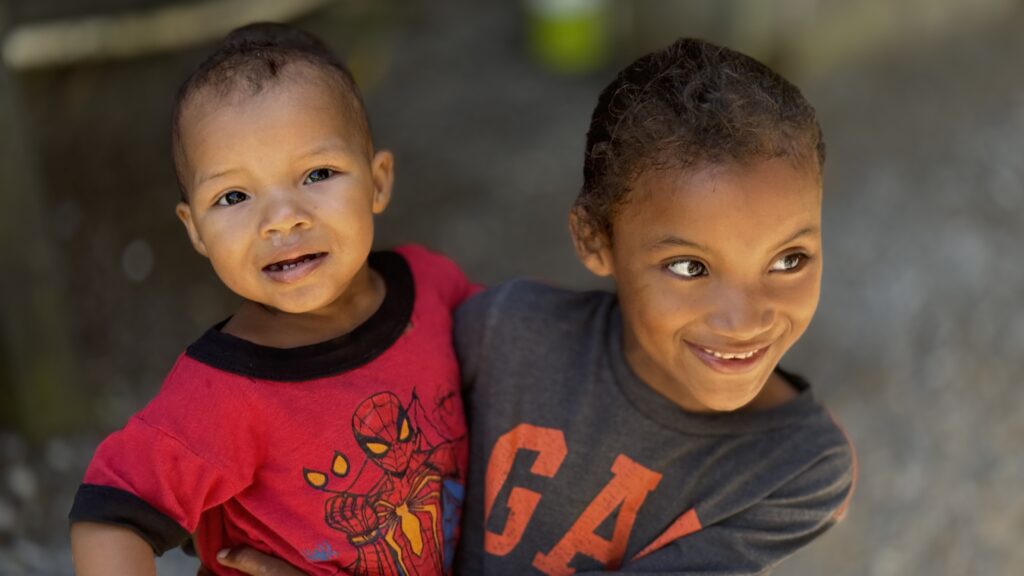

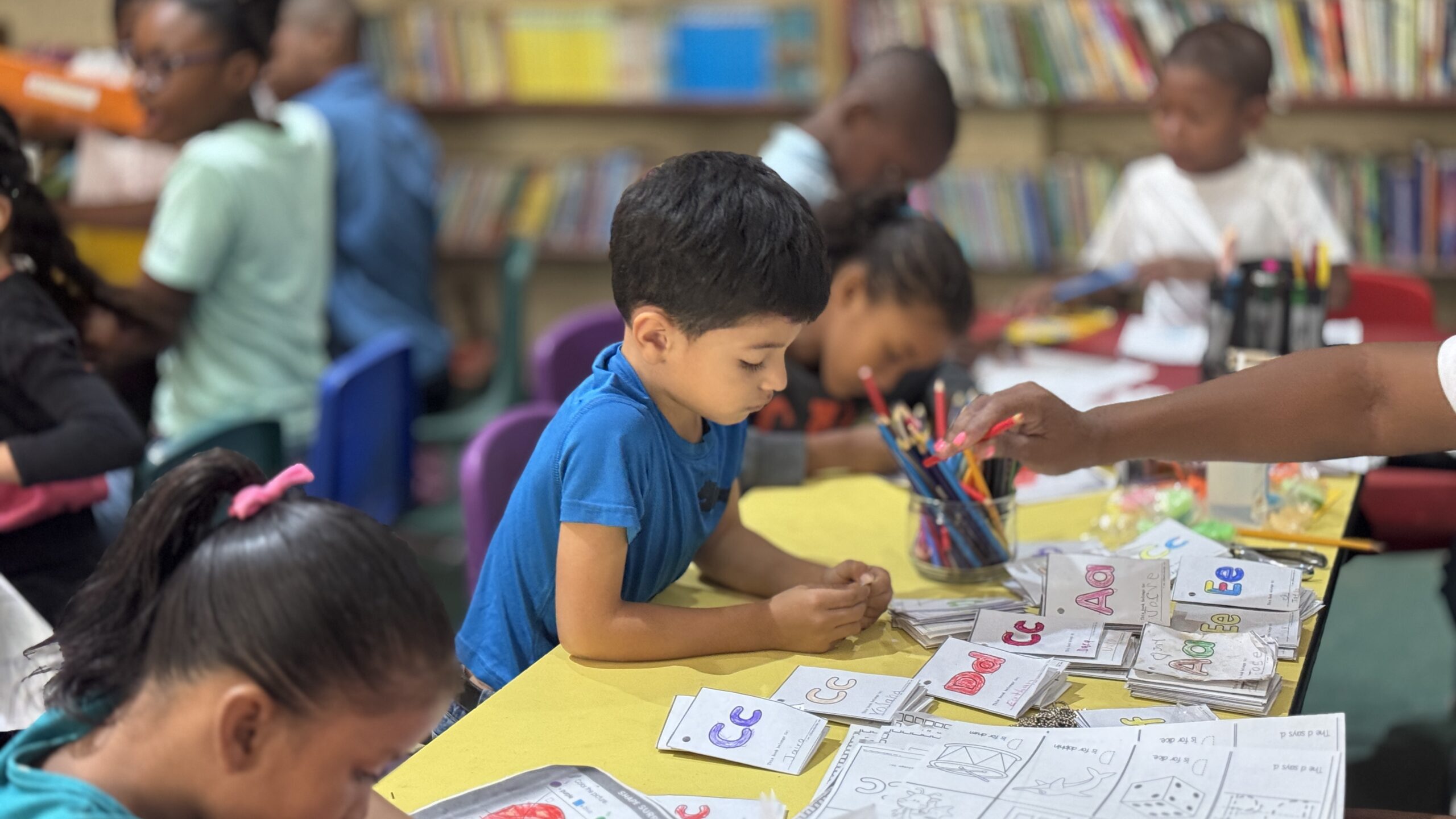
They don’t fit into mainstream society. Some have been raped or bullied. Some are orphans, homeless, or medically fragile and have witnessed horrors no child should see. Some endured awful abuses. Others lack legal documents and are excluded from public school. Still, dedicated people refuse to give up on them and guide them toward a better life. Welcome to Charmont Learning Center on Roatan!
When Valerie Nelson, a Canadian social worker, arrived in Roatán in 2002, she intended to launch an HIV program. What she found instead was an island quietly overwhelmed by illness, stigma, and children shut out of school. Over the next two decades, that initial mission grew into something far larger: a school and, today, the Charmont Learning Center — a flexible, trauma‑informed hub that keeps vulnerable children learning, fed, and growing.
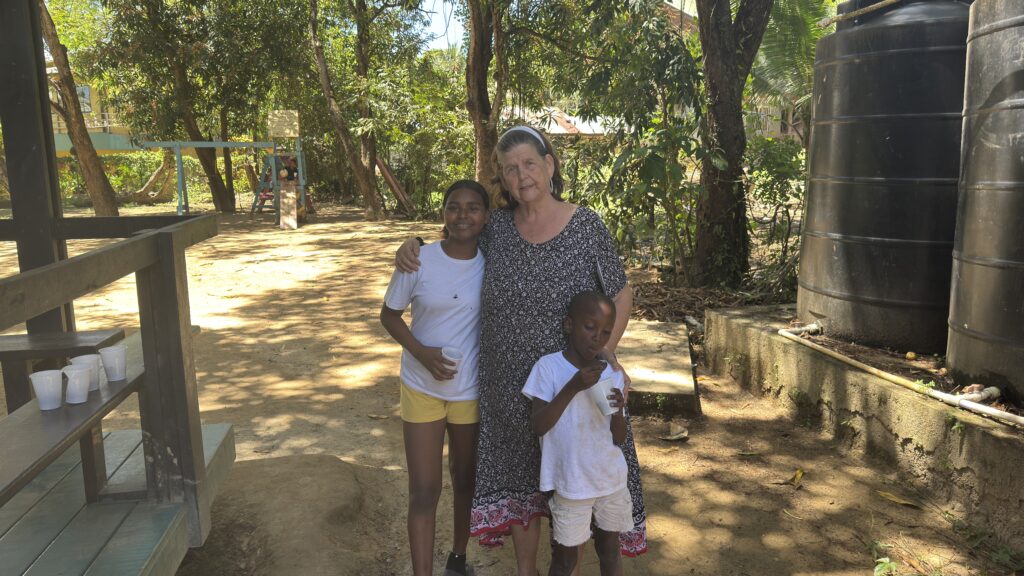
The center is located under large mango trees in the Manntrap community on the northern side of Coxen Hole. In 2018, it opened Johnny’s Library as part of the Morgan Jayne Project to honor the memory of the Canadian boy Johnny Charmont and expand educational opportunities for local children. He was killed in an explosion during a holiday trip to Mexico. After consulting Johnny’s family and securing their blessing, the center adopted the Charmont name.
Early on, Valerie’s team focused on lifesaving HIV care for pregnant women and infants. Facing government barriers, scarce medication, and deep local stigma, they pushed for testing, treatment, and education. After a brutal first year and many hard lessons in nutrition and community support, mother‑to‑child HIV transmission fell steadily — reaching and holding at zero for more than a decade.
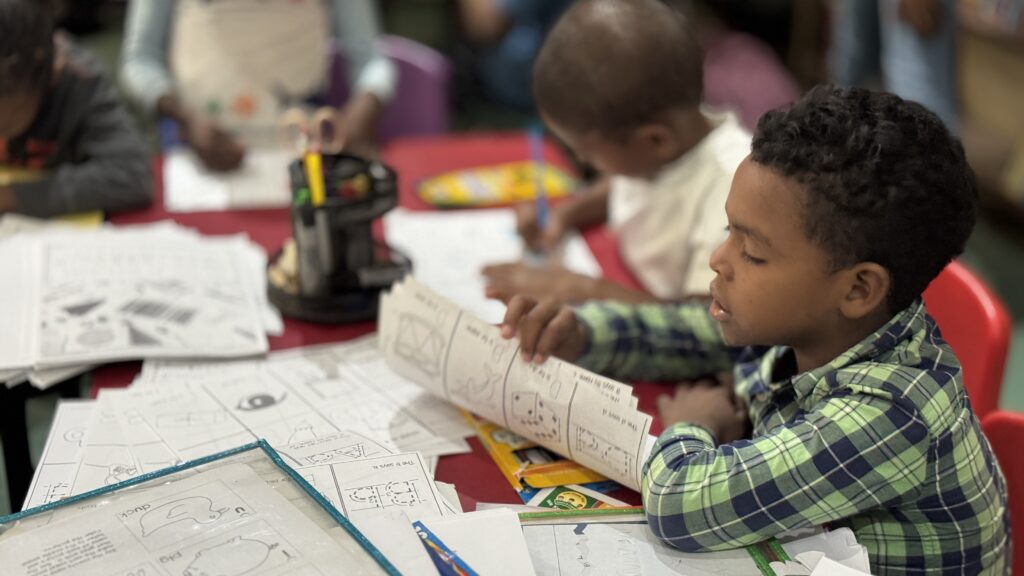
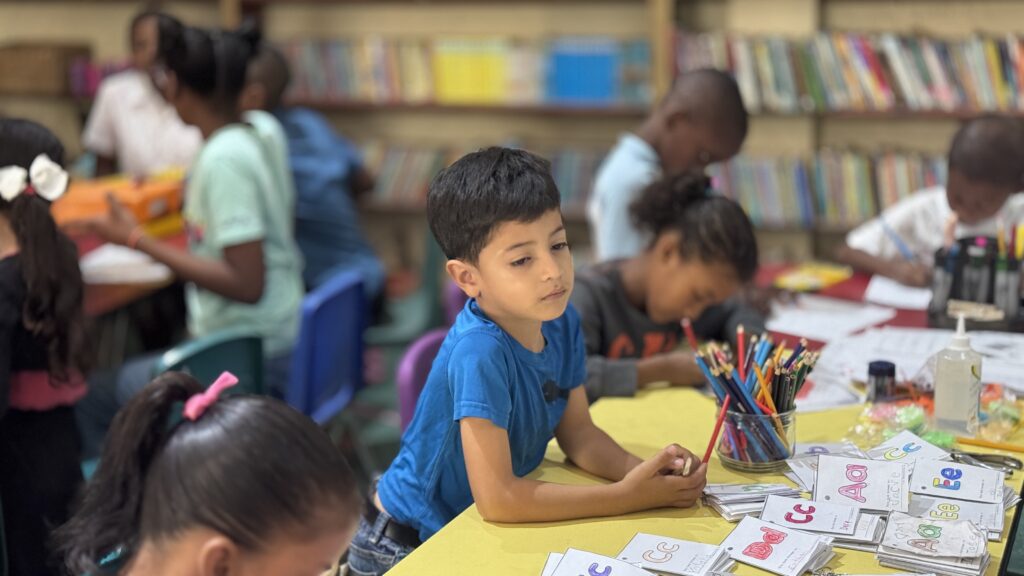
But health care alone wasn’t enough. Many families remained trapped in poverty; children were bullied or excluded from public schools; others had no home. The center opened a school offering free uniforms, books, two meals a day, and safe classrooms where learning replaces shame. Children who once seemed destined to drop out have gone on to university, medical residencies, trades, and steady jobs. Vocational programs — gardening, welding, mechanics — and life skills, such as budgeting and reproductive health classes, give students practical pathways to independence.
Today, Charmont has shifted from a formal school model to a learning center to avoid crippling bureaucracy and better serve learners who need flexible, individualized support. The students do not get diplomas, but the center provides what the system often won’t — targeted literacy and English tutoring, homework support, enrichment, meals, and access to community mentors. Valerie and her two teachers adapt education to each student as best they can.
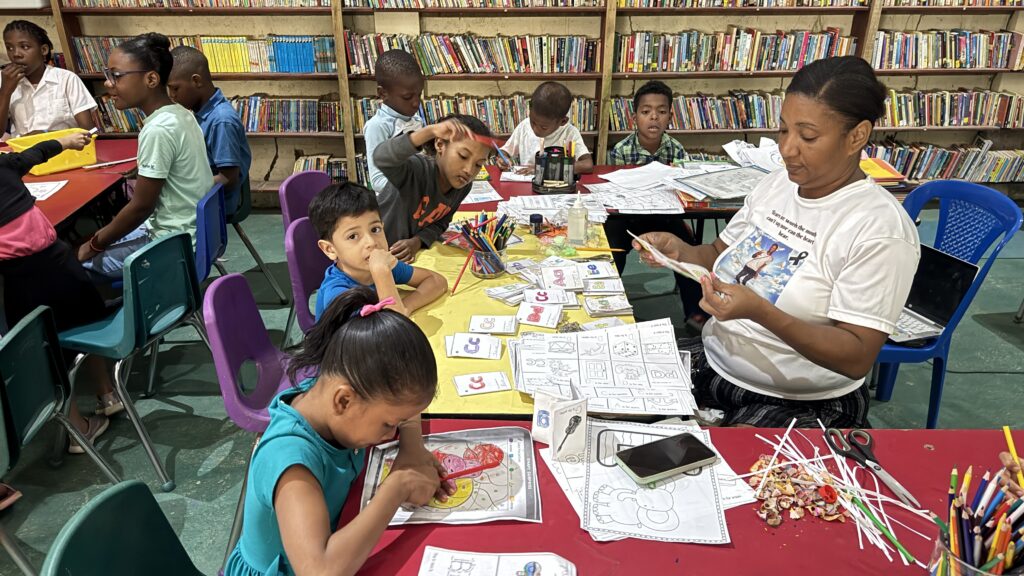
Thelma Solomon is an islander and has worked at the center for three years. A graduate in primary education and bilingual teaching, she says, “I enjoy working with kids every day. I have more patience for other children than for my own. I like spending time with them and seeing their progress.” Thelma notes that six children currently at the center come from the Moskitia Coast and speak only Miskito. “They are often shy and don’t share much at first, but they begin to learn English and Spanish over time through practice.”
Natalie is 12 and witnessed her mother being killed by her brother. After repeated eye infections and many hospital visits, she received a glass eye. She struggles with writing, but her teachers are determined and refuse to give up on her.
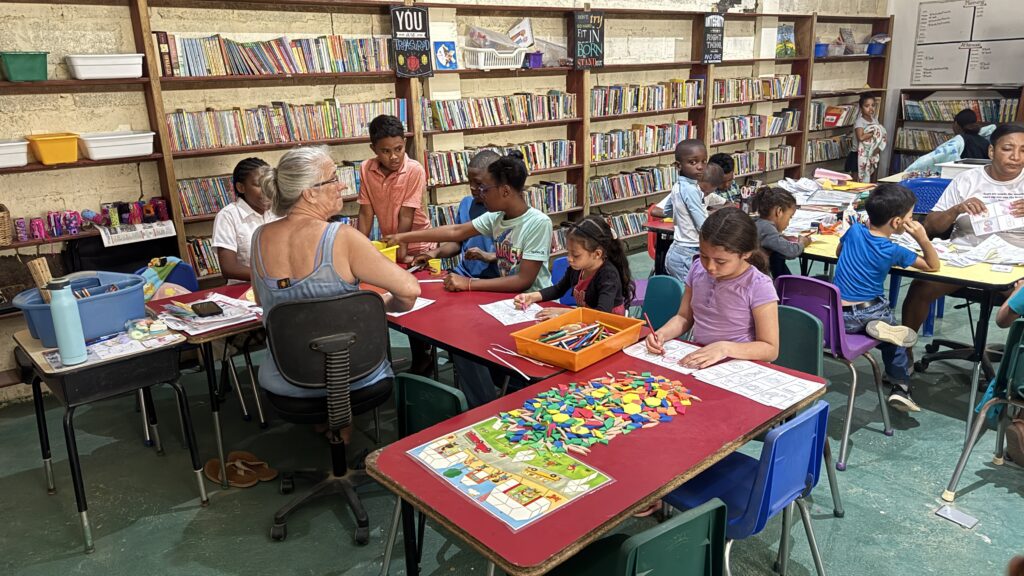
Jennifer Pearson, a teacher from Southern California, who has lived in Roatán for 10 years, is a special education teacher and interpreter for the deaf. “Some of the challenges we face are limited resources and a shortage of trained professionals on the island,” she says. “Many children need multidisciplinary support — psychologists, speech‑language pathologists, therapists — that we don’t have here.”
“The center began serving children and families affected by HIV/AIDS and has since expanded to include children who are abused, neglected, or have experienced traumatic events, as well as medically fragile children. Essentially, it’s a program focused on special education needs.”
“We operate out of rented premises renovated with donor help,” Valerie says. “Our immediate needs are basic school supplies (notebooks, pencils, markers, craft materials) and operational funding. We also welcome volunteers with specific skills: vocational trainers, smartboard or tech trainers, yoga teachers, horticulture or mechanics mentors.”
Jennifer adds: “A smartboard has been donated but is stuck in customs; it requires $2,000 to be released. We need it released, installed, and someone to train staff on how to use it; that would expand instructional options. We also need a proper kitchen: plumbing, a sink, cupboards, and workspace. We want to teach life skills such as cooking, laundry, and basic household tasks that are also opportunities for English immersion and practical learning. Electrical work is done; we need help with plumbing and cabinetry.”
For an island where public services are limited and stigma still lingers, Charmont is proof that sustained, community‑rooted work can save lives and change futures. The staff never know who will show up the next day, but the doors are open for those in need.
Edwina Doyle Willis, author and former Roatán teacher, says: “For many years, Miss Valerie has been one of my heroes. I have witnessed a tireless champion of children whose lives have been crushed by illness, loss, and stigma. Draining her retirement and working year after year to the point of physical exhaustion, Miss Valerie has embraced AIDS victims with kindness, compassion, and unconditional love. This gentle warrior has shown the hopeless a future of hope.”
To support Charmont or volunteer: visit their Facebook page or contact the center directly via WhatsApp +504 2445-0352. If you want to donate money to the center, you can use PayPal or a bank transfer to: vlnelson113@yahoo.com. If you want to visit the center or donate supplies, contact Valerie by phone or email.
Small gifts — a notebook, a few hours teaching — can make a lasting difference. Please help the center give these children a better life!