
How the Royal Reader Program is Helping Bay Islanders reclaim their English Heritage.
Who?
W-H-O!
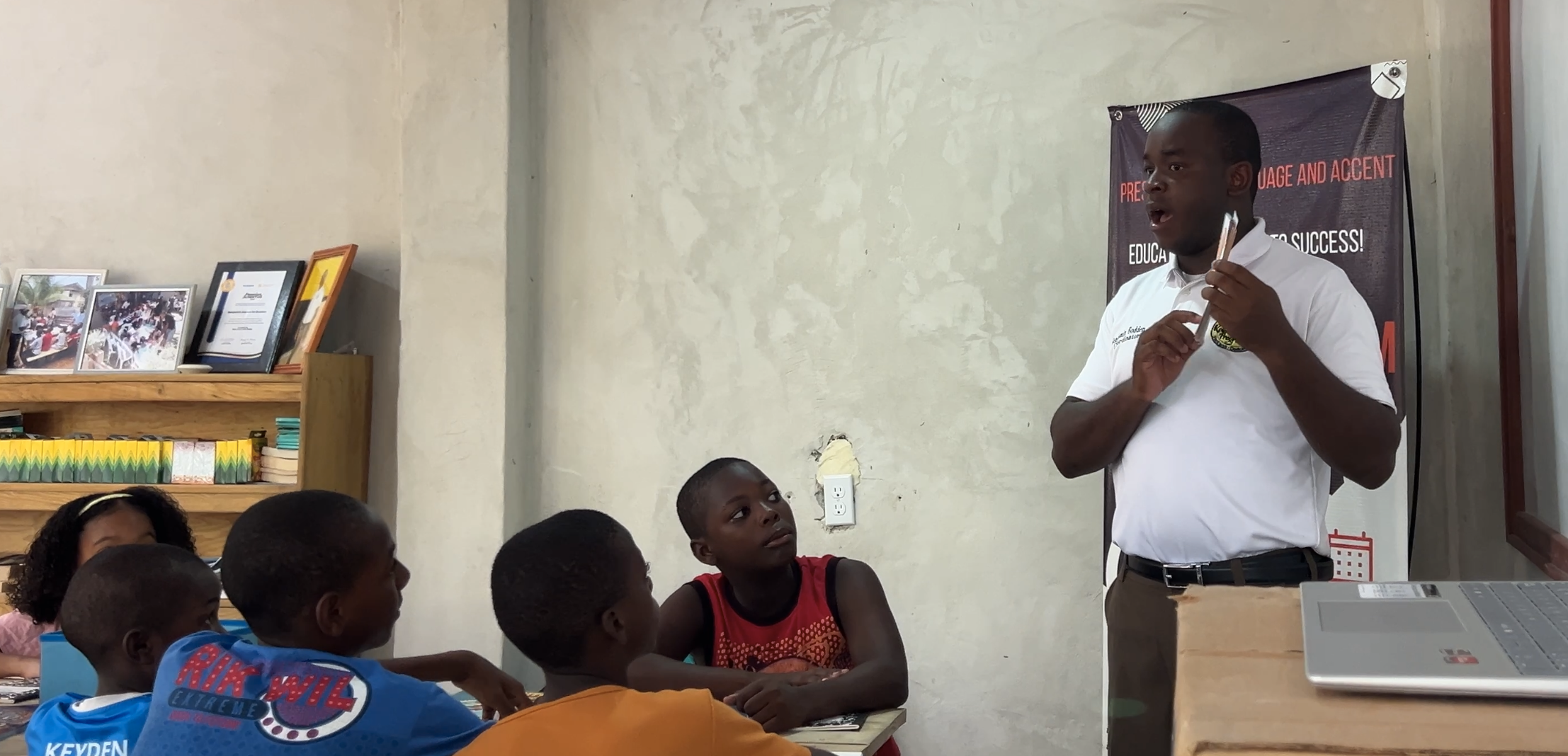
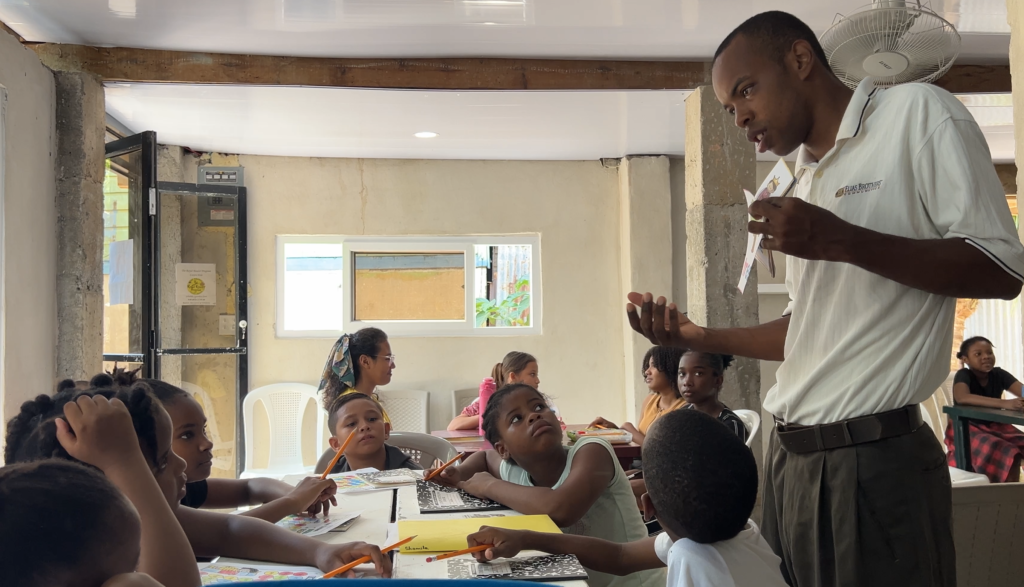
Twenty-three children chant the letters in unison inside a small classroom in Coxen Hole. To a casual observer, it looks like an ordinary spelling lesson. Yet what is happening here is far more significant. These students are helping rescue a language that was once discouraged, punished, and nearly lost—a language their ancestors carried across generations and one many Bay Islanders fear could disappear forever.
More than 165 years after the Bay Islands ceased to be a British colony, a group of determined educators is fighting to preserve one of its most treasured legacies: the English language.
In classrooms, churches, community centers, and private homes scattered across the archipelago, a quiet cultural battle is unfolding. As Spanish becomes increasingly dominant, many islanders fear that the distinctive English language and traditions inherited from their British Caribbean ancestors could gradually fade away.
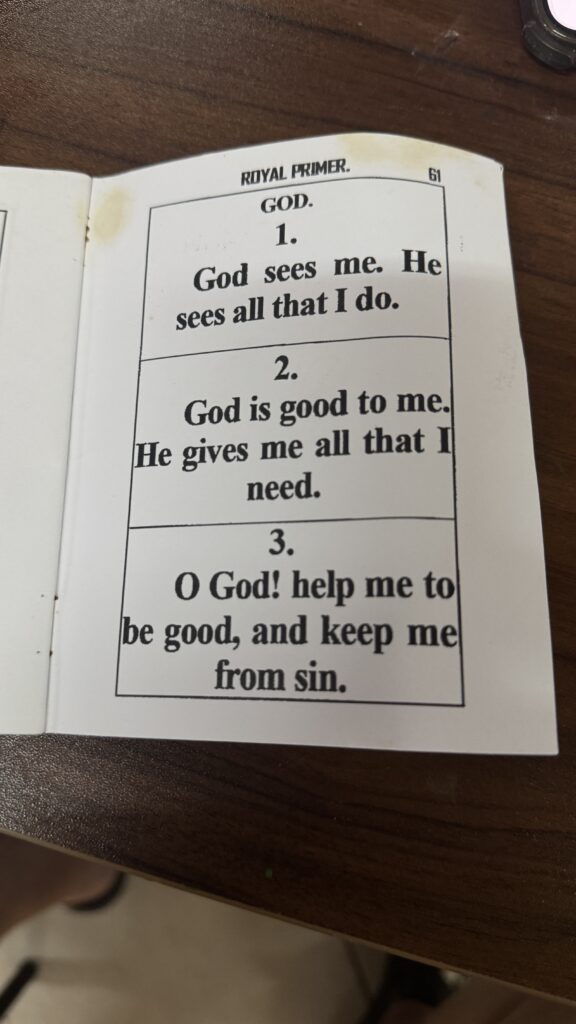
Their unlikely weapon is a teaching method first introduced during the Victorian era. Known as the Royal Reader Program, the curriculum was once used throughout the British Empire. Today, a dedicated team of volunteers is reviving the century-old approach to help Bay Islanders reconnect with their linguistic roots and safeguard a vital part of their culture identity.
A language under pressure
The Bay Islands became part of Spanish-speaking Honduras in 1861 after decades under British rule. Yet for generations afterward, many island families continued speaking English as their primary language.
As tourism expanded and migration increased, Spanish gradually became the dominant language throughout the islands. While bilingualism brought new opportunities, it also created concerns that younger generations might lose touch with the language spoken by their parents, grandparents, and great-grandparents.
For many islanders, preserving English is about far more than vocabulary and grammar. It is about preserving stories, traditions, family histories, and a unique cultural heritage that has shaped island life for centuries.
“What Does it Say?”
“What does it say? Who! How do you spell it?”
“W-H-O!”
Twenty-three voices answer in unison.
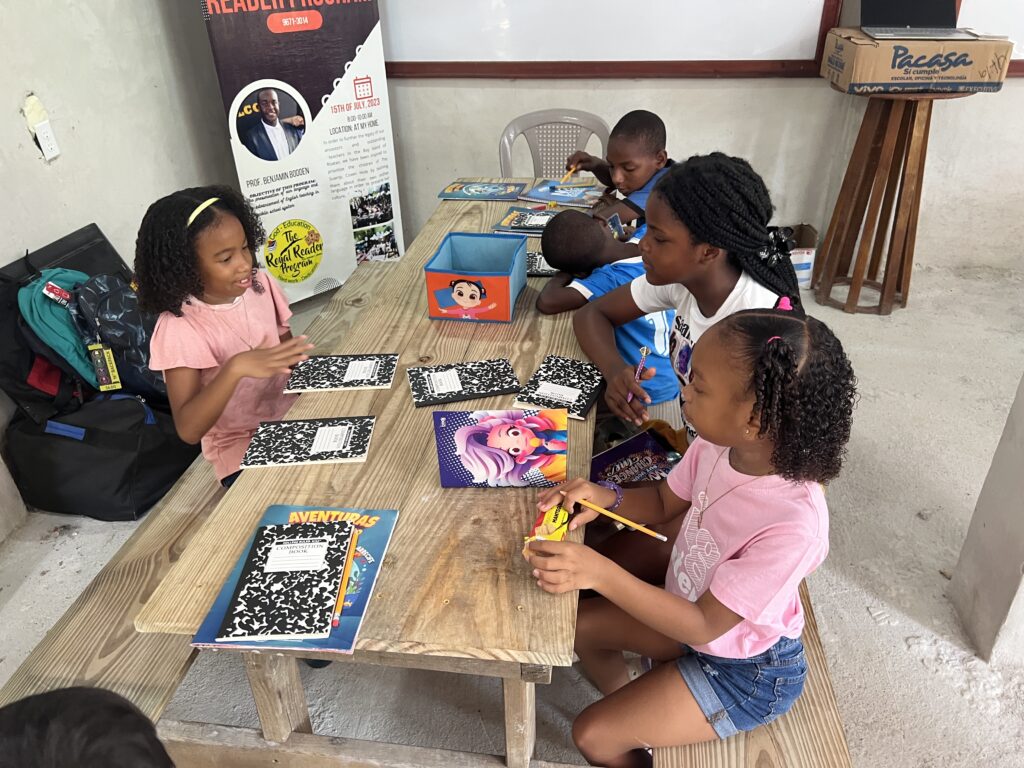
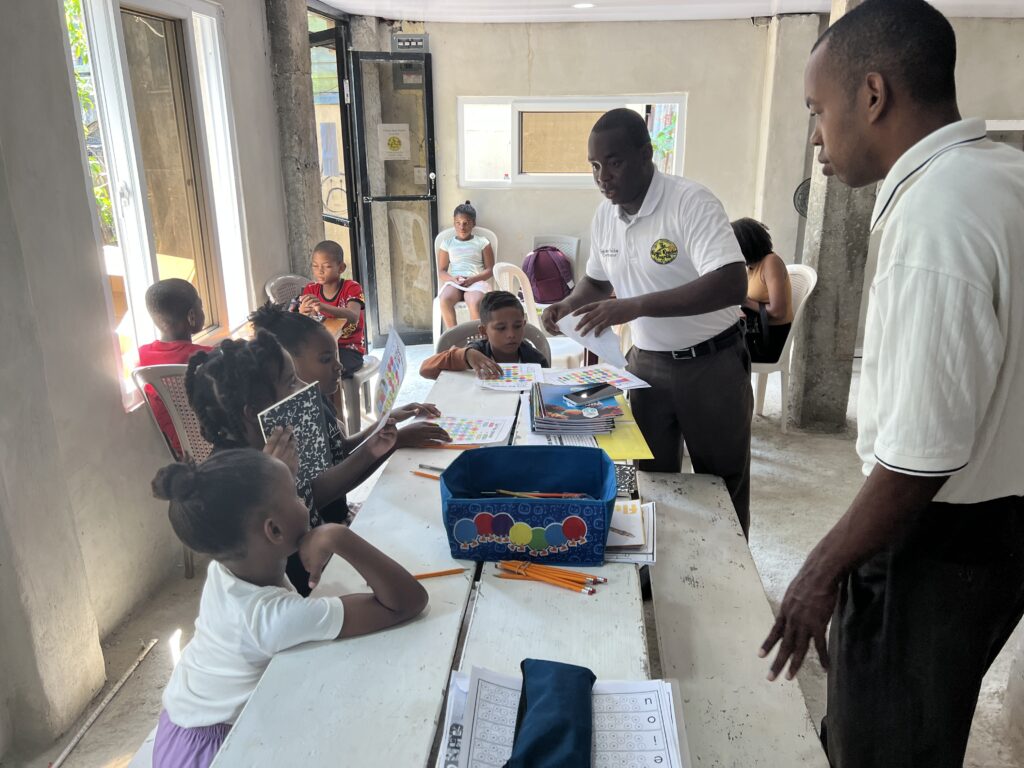
Inside a modest classroom in Barrio Suampo, Coxen Hole, students ranging from pre-kindergarten to seventh grade eagerly repeat each word after their teacher. Letter by letter and word by word, they are learning to read and write English through the Royal Reader Program.
Leading the class is Professor Benjamin Alexander Bodden, assisted by fellow educator Krensie Scott. Together, they guide students through lessons that emphasize repetition, reading fluency, spelling, and comprehension.
There is no fixed beginning or end to the program. The goal is simple but ambitious:
Every student should be able to read and write English at a seventh-grade level.
Reviving a Lost Tradition
According to Professor Bodden, the Royal Reader Program was once standard education material throughout much of the British Empire, including the Caribbean colonies. Published in Scotland in 1870 by Thomas Nelson & Sons, the readers became a cornerstone of English-language instruction for generations of islanders. Ironically, English instruction later faced restrictions in the Bay Islands. Students who spoke English at school were sometimes punished or fined, despite speaking it at home. Yet the language endured.
English lessons continued quietly in Sunday schools, private homes, and after-school gatherings. It was passed from one generation to the next by parents, teachers, and community leaders determined to keep it alive. Today, Bodden and his valiant colleagues hope to rekindle that tradition. “The main purpose of the program is to revive the heritage and history of the Bay Islands,” he explains.
More Than a Language
The need is urgent. Across the archipelago, qualified English teachers remain in short supply. At the same time, English proficiency is increasingly important for students pursuing higher education, careers in tourism, and opportunities abroad.
Since launching the initiative in 2023, Bodden and his fellow volunteers have operated the program entirely through donations and community support. Their dream is to expand the project, place computers in students’ hands, and eventually make the Royal Reader curriculum available digitally. Interest extends beyond children. Many adults have also asked to enroll, hoping to strengthen the language spoken by earlier generations of their families. For now, however, the volunteers remain focused on the next generation.
Voices of Experience
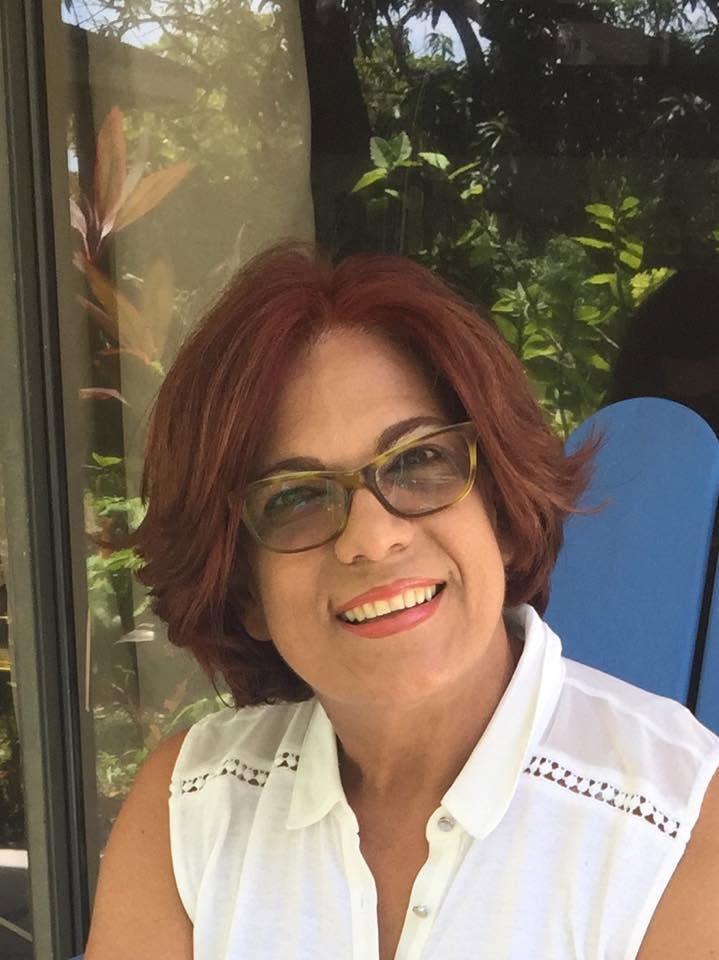
Connie Silvestri remembers learning through the Royal Reader method as a child.
“Both my father and I were part of it, and it worked very well despite being an ancient program,” she says.
Daine Wood Etches, founder of the West End Community Center and a fifth-generation islander, credits the approach with helping her develop strong English skills.
“The program started with simple books,” she recalls. “I learned my ABCs from Mrs. James. Later, I studied with teachers like Aunt Lily and Mr. Egbert Price. Back then, there were few other opportunities. We learned from the people around us.” Etches believes the program’s greatest strength lies in its simplicity and that many English-learning programs from the United States are too complicated.
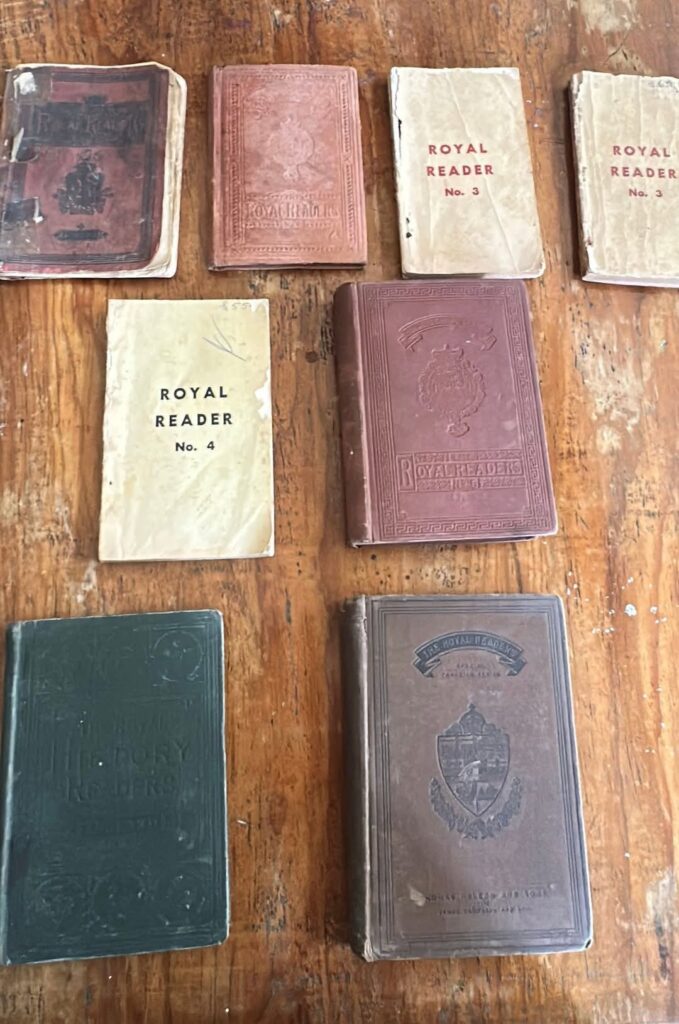
The Royal Reader series was a set of British schoolbooks introduced in the late 19th century that became standard in colonial classrooms.
A Bridge to the Future
For the volunteers who are rekindling the Royal Reader Program, teaching English is not an exercise in nostalgia; it is an investment in the future. Every lesson connects children to the voices of their ancestors while equipping them with skills that can open doors to attaining their dream vocations. The challenge remains formidable. Can a small group of volunteers preserve a language tradition in an overwhelmingly Spanish-speaking environment? No one knows the answer yet.
Each Saturday afternoon, as children enthusiastically spell out words in a classroom in Coxen Hole. They offer a hopeful reminder that languages survive when people care enough to pass them on. And in the Bay Islands, a Victorian-era textbook is still helping ensure that vital treasure chests of Bay Islands heritage are safely preserved for posterity.
The Royal Reader Program relies on funding. If you know any individuals or organizations that might contribute, please contact Benjamin Bodden via phone or WhatsApp at +504 9671-3014.
Follow the Royal Reader Program on Facebook
Edited by Edwina Doyle Willis